
Three Teachers

Hong Kong doesn’t do anything quietly.
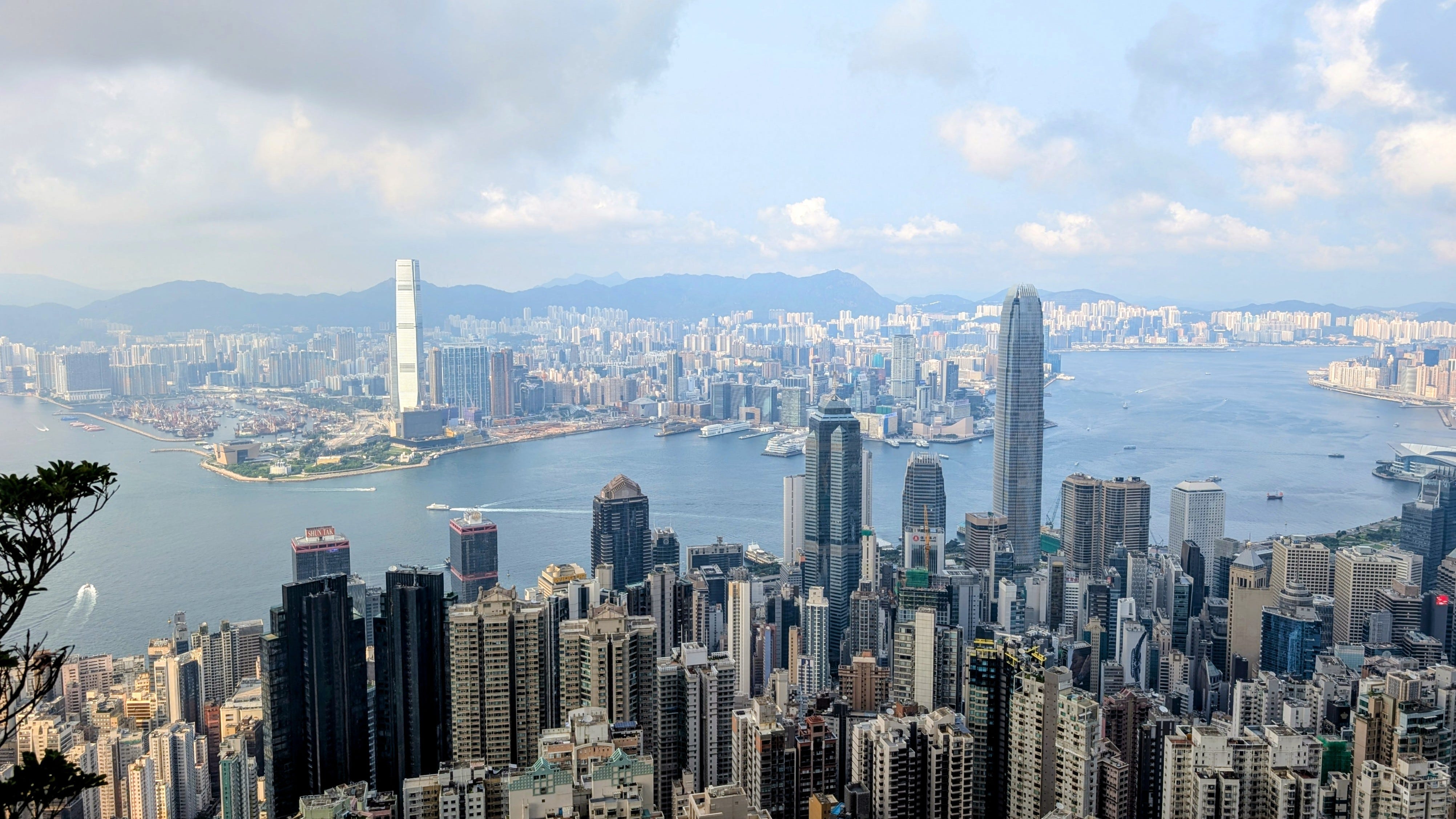
The city is dense, vertical, and has the particular energy of a place that sits at a crossroads.
I recently travelled there as part of a team of school leaders participating in instructional rounds at two schools. We were invited into classrooms as observers to provide specific, descriptive feedback.
Instructional rounds ask something counterintuitive of experienced educators: to describe what you see, without assigning meaning, judgment, or inference. Our facilitator described it as staying “low on the ladder”, resisting interpretation, and functioning as a photographer, not a journalist.
It was really hard.
One move between two classrooms was so striking, I’m still processing it.
The transition was physical, and moving between the two rooms felt like a completely different experience. The organisation of the space, the materials, the quality of interaction between teacher and students was noticeably different.
I want to be careful: we were guests, observers invited to witness and provide a service. The differences I noticed carried no verdict on either teacher. Teaching is relational work, and is shaped by experience, support, and context. A single observation can’t unpack all those factors.
But I was registering was the environment itself.
After the second visit, one of my colleagues said something offhand that I am still processing. She commented that the first “teacher” is the teacher, the second is the student, and the third is the environment.
It’s a riff on the Reggio Emilia tradition, which positions the parent, the teacher, and the environment as the three teachers of a child. My colleague had shifted the frame. And what we noticed was two teachers with different levels of experience, and two rooms that felt like different worlds.
Her version put language to something I’d been feeling all day. I was trying to stay low on the ladder — to observe without interpreting. And yet the environment was unavoidably impactful.
What I keep returning to is that the environment was shaping behaviour in multiple ways. Students read the physical space — they adjust, they settle (or scatter), they lean in (or disengage). An ordered room invites attention. A provisional one produces a different response.
The way a room is arranged changes how a teacher moves and behaves: where they stand, whether they circulate, and where they anchor. The environment sets conditions that teachers work within, sometimes without knowing it.
None of this was in our observation protocol. It was higher up the ladder.
And yet it was present in everything we saw.
School leaders spend considerable energy on the first teacher: hiring, developing, and evaluating. We also spend energy on the second, building culture and designing for collaboration. The third teacher — environment — tends to get built once, and then passed down.
Tomorrow, I’m returning to my school. I’m excited to walk in with my eyes open, interpretations suspended, and stay low on the ladder.
I’m curious about what the space in our school says.
The environment is always teaching. The question for me is, are we listening?
Dan I read this and thought of ya on the west coast of North America. I’m heading to my first ever trip to the PNW. Heading to Seattle for two days. Any coffee recommendations?